Saturday, July 4, 2015

Interstellar

Whew, I just finished watching Interstellar.  Yeah, I know most of you have watched it months ago.  I don't go to the movies much.  I usually wait until they show up on Netflix or Amazon Instant Video.  I watched this on Amazon.  I am really glad I didn't watch this at the movie theater.  Nearly three hours long!  That is a lot of trips to the rest room for an old guy.  So this way I can pause it and not miss anything.

Pretty amazing movie.  Blackholes, relativity, etc.  I enjoyed it--even with Matthew McConaughey being a tu guy. 

I am a long time sci-fi fan.  Of course started with the original Star Trek.  Also Stranger in a Strange Land by Robert Heinlein and Frank Hebert's Dune series.

I was wondering about the science in Interstellar.  They had an explosion in space and were true to form with no sound, so that was good.  It seems to be pretty good overall from what I can tell--not being an astrophysicist.

There is an interview on Science Friday that you can listen to.  I downloaded a sample of Kip Thorne's The Science of Interstellar.  Will see how that reads--Thorne is on the Science Friday interview. 

Some other good articles I found include:


Saturday, June 20, 2015

Generation Earth

I just finished watching a BBC three-part series called Generation Earth.  It is available on Netflix.  It is about the ways humans have altered the planet. With stunning graphics it really shows you what we have done.  

It talks about the urbanization that has occurred in the last generation, the damming of rivers (all of this being impounded water has actually slowed the rotation of the earth).  It shows how we are utterly dependent on copper for all of our modern electrical devices.  I never thought about that.  It shows the biggest copper mine in the world which is in Utah.  What a giant hole in the earth.  There is only a tiny percent of copper ore in these limestone rocks, so they take out tons to get a little copper.

I recommend this series to everyone interested in human impact.  You can see a short video clip and a summary of the series on the BBC website.

Wednesday, June 17, 2015

Three Year Degrees?

I just heard a podcast from the NPR show Here & Now about the development of three-year degrees in the United States.  Some schools such as Florida State and Purdue are already putting these in place.  You can hear the audio on the Here and Now website.

They were talking about different aspects of doing this.  This is being pushed as a way to reduce student debt.  Student debt has become is a very serious situation for our country.  Students are coming out of college with a tremendous debt load.  We must do something about this situation.  I was able to leave college with essentially no debt.  I think I owed about $1,700.  A USA today article says "According to a government data analysis by financial aid experts at Edvisors, the class of 2014 graduated with an average student loan debt of $33,000. As the Wall Street Journal points out, “Even after adjusting for inflation, that’s nearly double the amount borrowers had to pay back 20 years ago.”

The podcast addresses several other issues such as the social factors:  Learning to live on your own, making friends, etc.  The interview points out that the British have had three-year degrees as the norm and the other countries in the EU are moving to this system.  What do you think?


Wednesday, June 10, 2015

Guns on Campus

Well now we have concealed carry on Texas public university campuses.  That just makes me feel great.  What happens if a student makes a bad grade?  Should I start packing heat and have a shootout with the student.

I will definitely vote against any house or senate candidate who voted for this.  I need to check and see how my house and senate member voted.  I do not feel that this will campuses safer!  Neither does the new UT system chancellor

Now how would I carry a concealed weapon on campus.  Maybe I could wear my lab coat all the time or start toting a "man bag".  Not sure.  Will have to give this some thought.  Here we are in the Wild West again in Texas!

Thursday, June 4, 2015

Case Study in Science Education

This week I have been attending a workshop on using Case studies to teach science. This has taken place at the National Center for Case Study Teaching in Science at the University of Buffalo in Buffalo, NY-actually in a suburb of Buffalo.   We have learned a lot about applying this method. I see that it holds much promise for improving my teaching and goes right along with the University's Quality Enhancement Plan (QEP) which focuses on active learning.

Attending the workshop were college and high school science teachers from the USA, Canada, Qatar, and Singapore.  We each (or some in groups of two or three) prepared and presented a case study. Mine was on human anatomy. I recommend using this technique. I have made some use of it but now plan to use it more.

Another source is Science Case Network.

We also found time to go to Niagara Falls!

Saturday, May 23, 2015

Common Reader

I am on a committee to select a common reader for the TAMU-T First Year Experience for next year. The theme is economic opportunity or maybe the lack thereof.


These books are scary and show the inequality in America and in the world in some cases. I think everybody should read one of these. I would suggest Robert Reich, Robert Putnam, or David Shipler for starters. Then read Barbara Ehrenreich. All are good sources. 


We are selecting from these books:

  • Nickel and Dimed: On (Not) Getting By in America (Barbara Ehrenreich)
  • Poverty in America: A Handbook (John Iceland)
  • Hidden America: From Coal Miners to Cowboys, an Extraordinary Exploration of the Unseen People Who Make This Country Work (Jeanne Marie Laskas)
  • Scarcity: The New Science of Having Less and How It Defines Our Lives (Sendhil Mullainathan & Eldar Shafir)
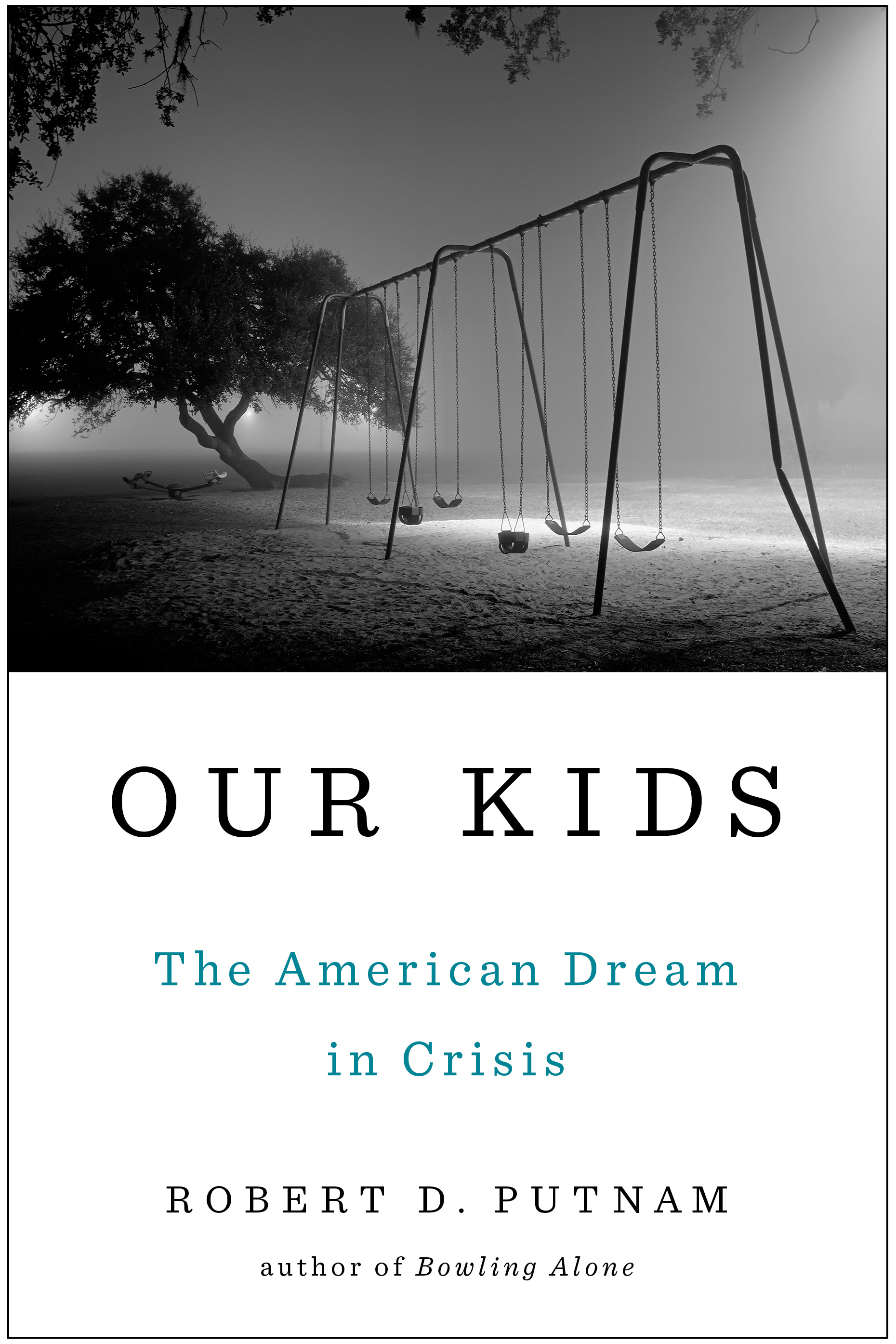
  • Our Kids – The American Dream in Crisis (Robert Putnam)
  • Aftershock: The Next Economy and America’s Future (Robert Reich)
  • What Money Can’t Buy: The Moral Limits of Markets (Michael Sandel)
  • The Working Poor – Invisible in America (David Shipler)


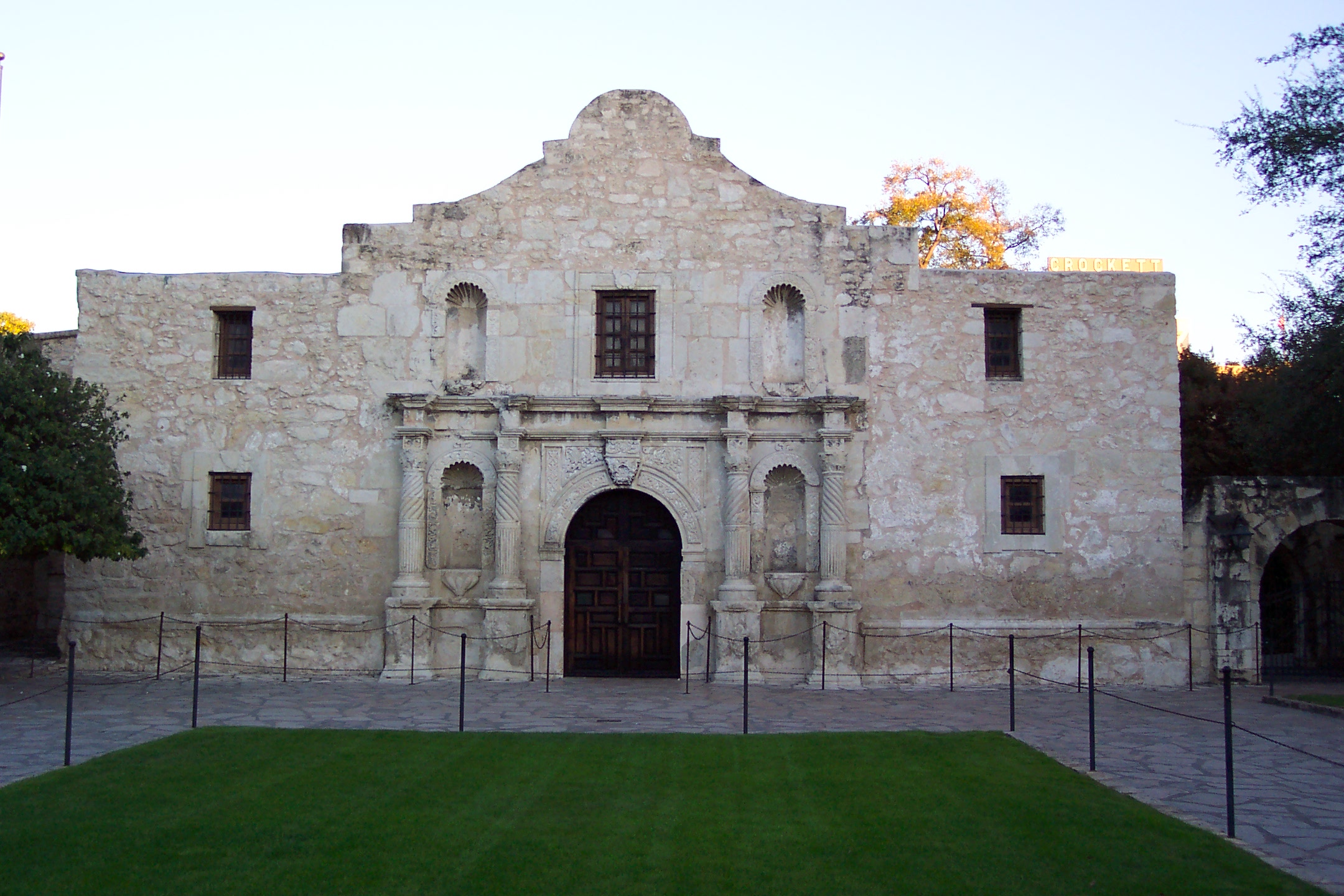
In the Alamo City.

I am in the Alamo City for the next couple of days. Attending the Human Anatomy & Physiology Society conference. This is all about teaching A&P and is the first time I have attended.  I am really looking forward to learning some new techniques.

San Antonio is hot and humid already this year. I am right around the corner from the Alamo but it is too sticky to go over there right now.  You can follow the HAPS Meeting on Twitter #HAPS2015.

While sitting in the cool of my hotel room, I have been going through a couple of MOOCs. One is from Coursera and is titled "Learn How to Learn" about Learning. It is free and provides valuable insights on learning. Worthwhile for students and teachers. This is an open ended course so you can start at any time.

The other course is Making Sense of Climate Science Denial from eDx.  It is also free if you don't want credit. The edX consortium was started by MIT and Harvard. Lots of good material if you like MOOCs.

I have also been watching an Atomic Learning series on blogging. Trying to get the hang of it. Hope you like my first post.